
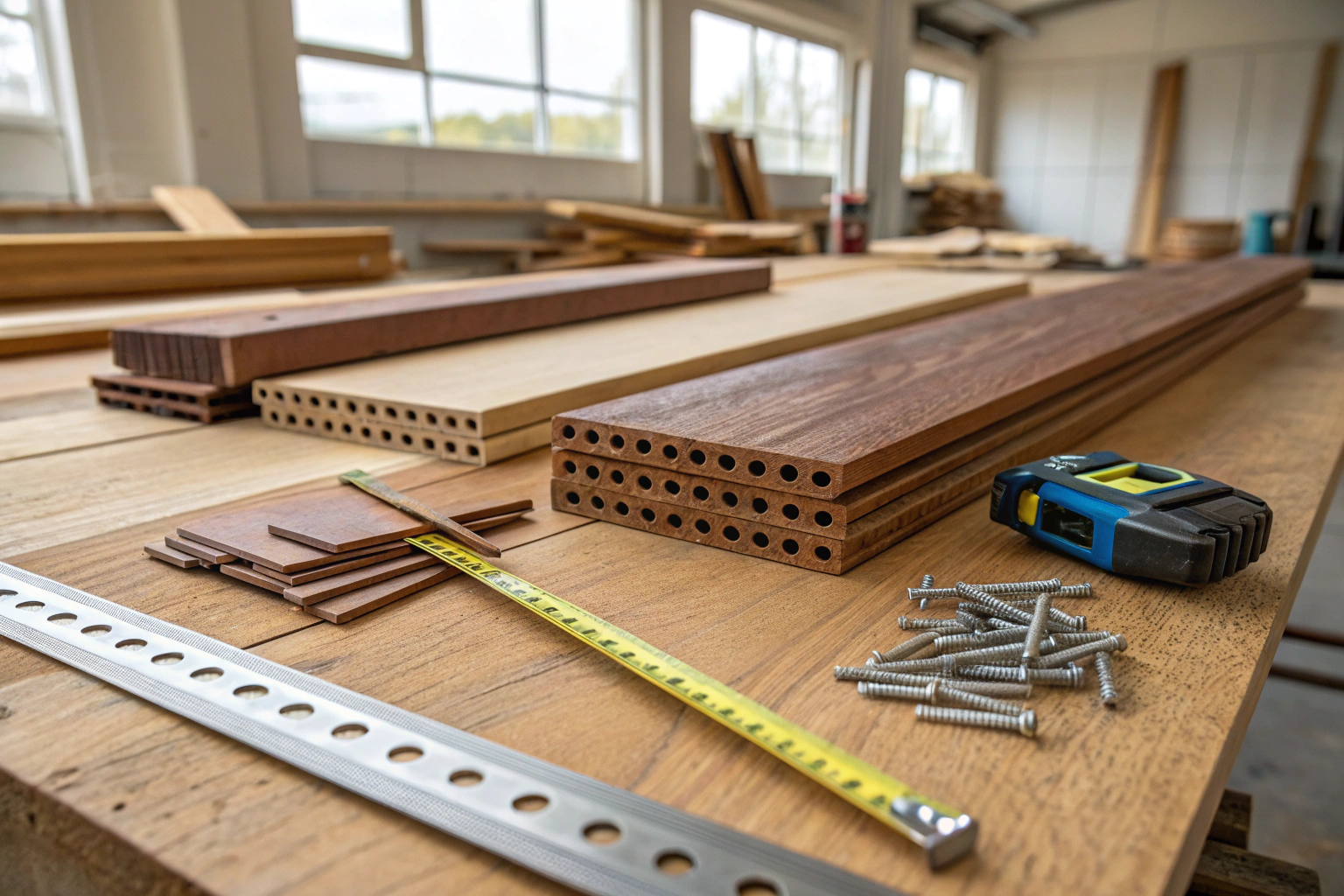
Expert Balcony Builders Serving Canberra and the ACT Region
We’ve been constructing custom balconies across Canberra’s established suburbs for years – from compact Juliet balconies in Forrest townhouses to expansive covered balconies in O’Malley and Red Hill. Our team understands ACT’s unique climate challenges, council requirements, and architectural styles. Whether you’re in Gungahlin, Weston Creek, Tuggeranong, or Belconnen, we deliver professional balcony construction that handles everything from structural engineering and waterproofing to final finishing touches. Every project meets Australian Building Code standards while addressing Canberra’s extreme temperature variations, bushfire considerations, and local planning regulations.

Compact Balcony Design Solutions
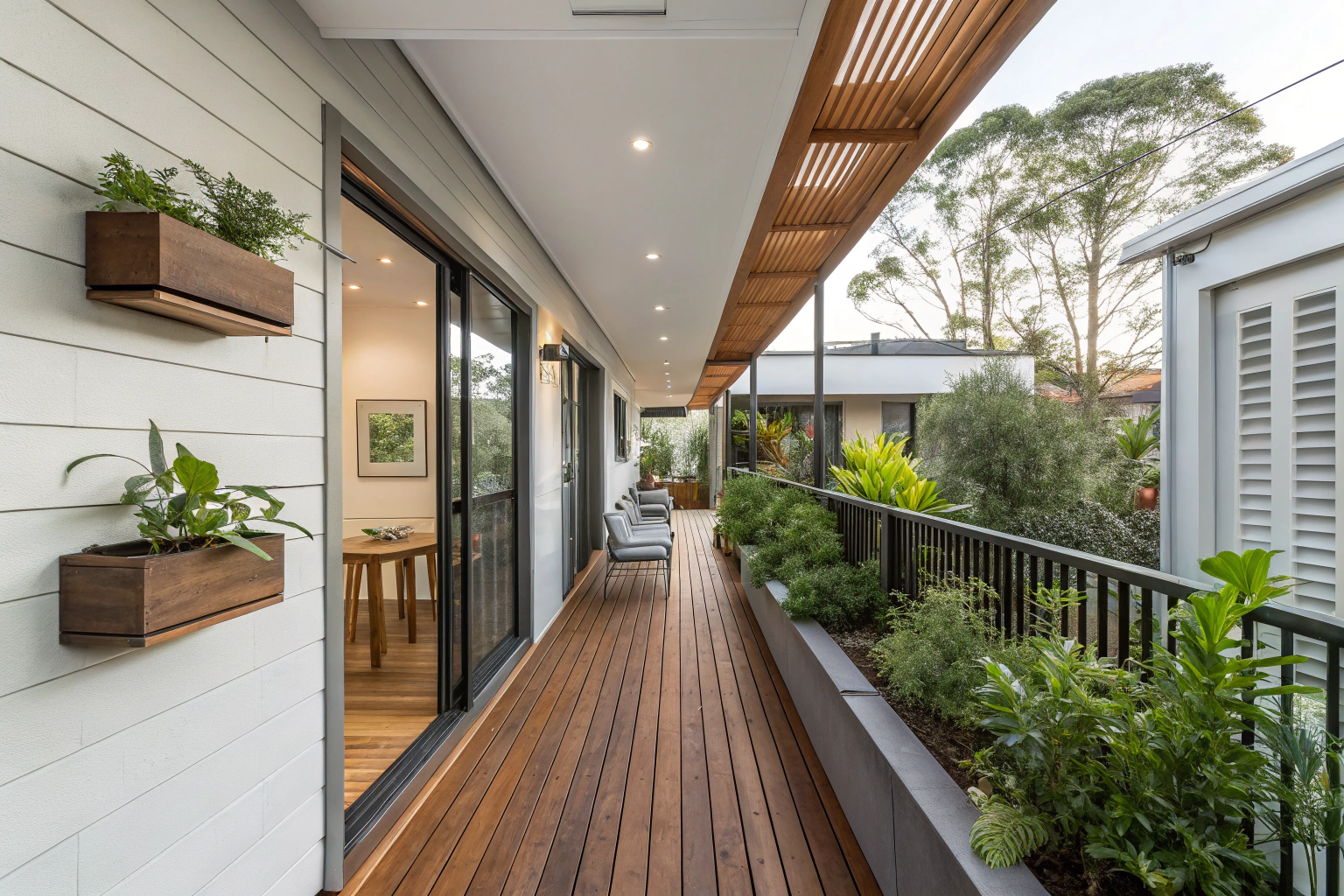
Narrow Balcony Configurations
Narrow balconies work well as transitional spaces rather than destination areas. Create walking galleries connecting rooms while providing outdoor access. Install planters along edges for greenery without consuming floor space. Mount fold-down chairs or tables that stow flat when not needed.

Juliet Balcony Options
Juliet balconies provide minimal outdoor space but maximum impact. These shallow platforms with full-height balustrades offer standing room only – perfect for morning coffee or enjoying views without full construction costs. They add architectural interest and light to upstairs rooms while meeting budget constraints.
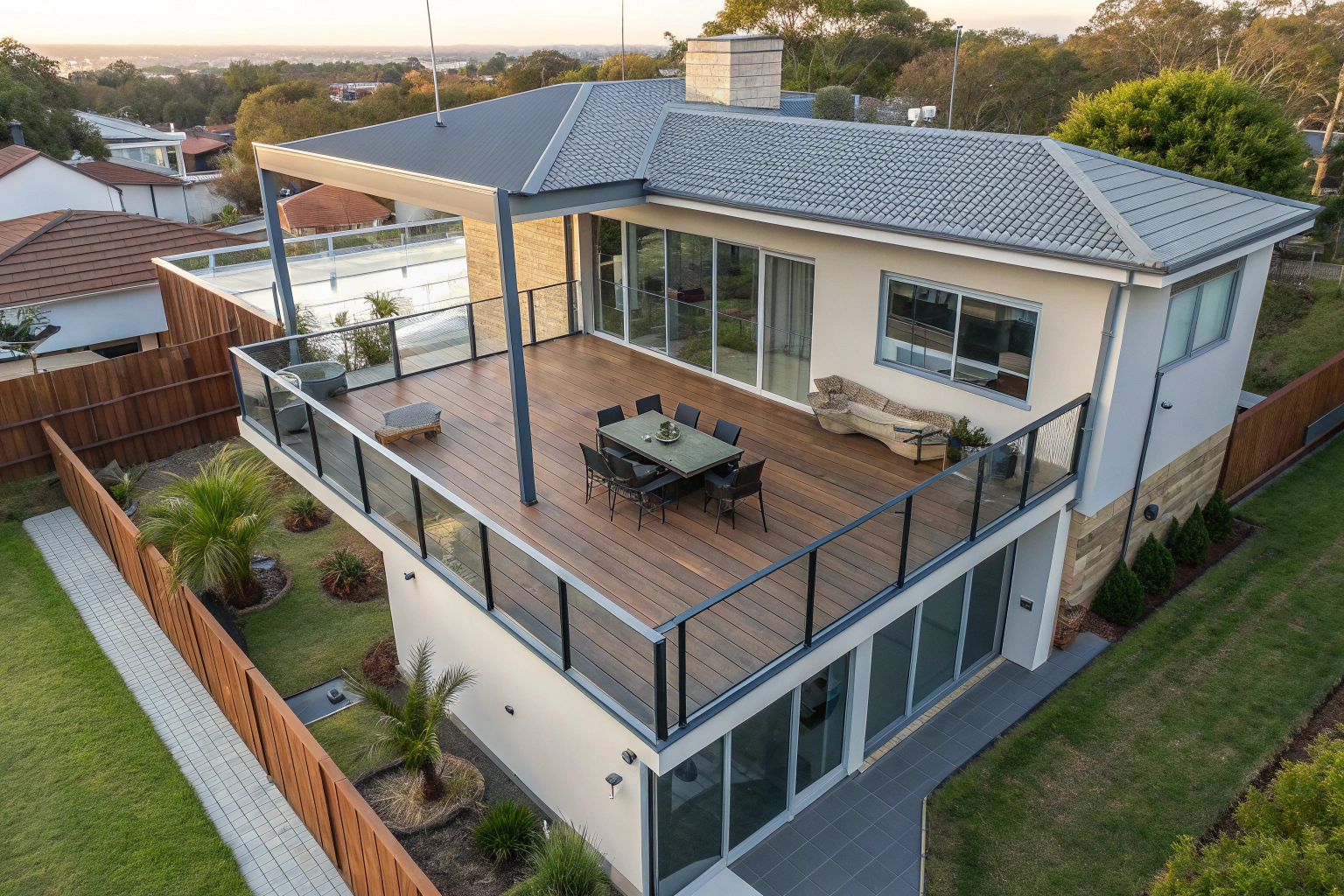
Corner Balcony Layouts
Corner balconies capture more usable area than straight runs. L-shaped configurations give you distinct zones for different activities – a seating area around one corner, planter or table space around the other. The angles create visual interest while adding functionality and making small spaces feel larger.
Space Maximisation & Functionality
Second-story balconies often work with limited footprints, so every square meter counts. Smart design transforms compact areas into functional outdoor rooms that serve multiple purposes throughout the day.
Space-Efficient Solutions:
- Built-in seating along balustrade lines maximises floor space while providing comfortable areas
- Corner storage benches hide cushions and outdoor items while serving double duty
- Vertical gardens and planters add greenery without consuming valuable floor area
- Fold-down tables provide dining surfaces when needed, clear space when not in use
- Privacy screens create intimate spaces in close suburban settings
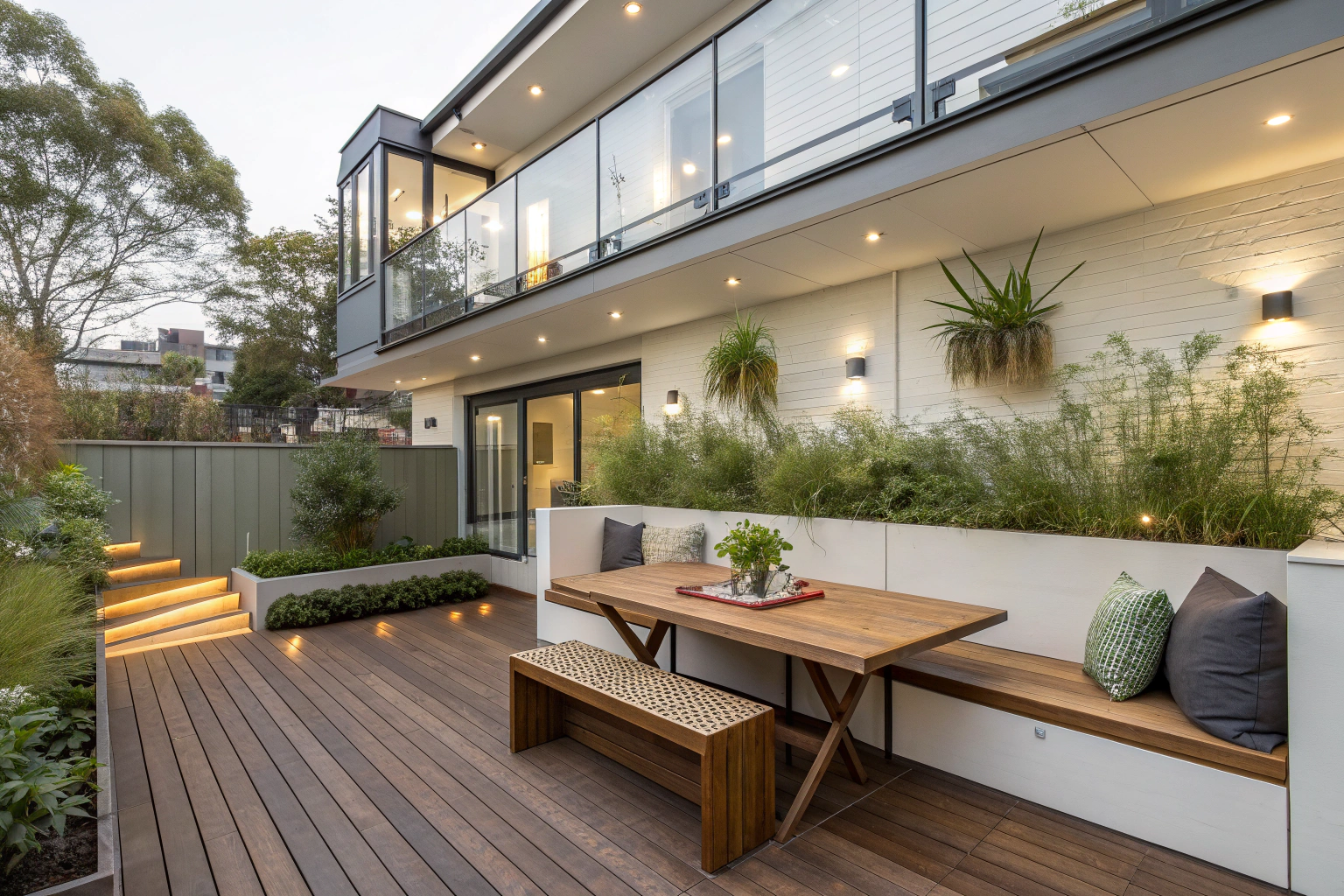
Design & Integration Options
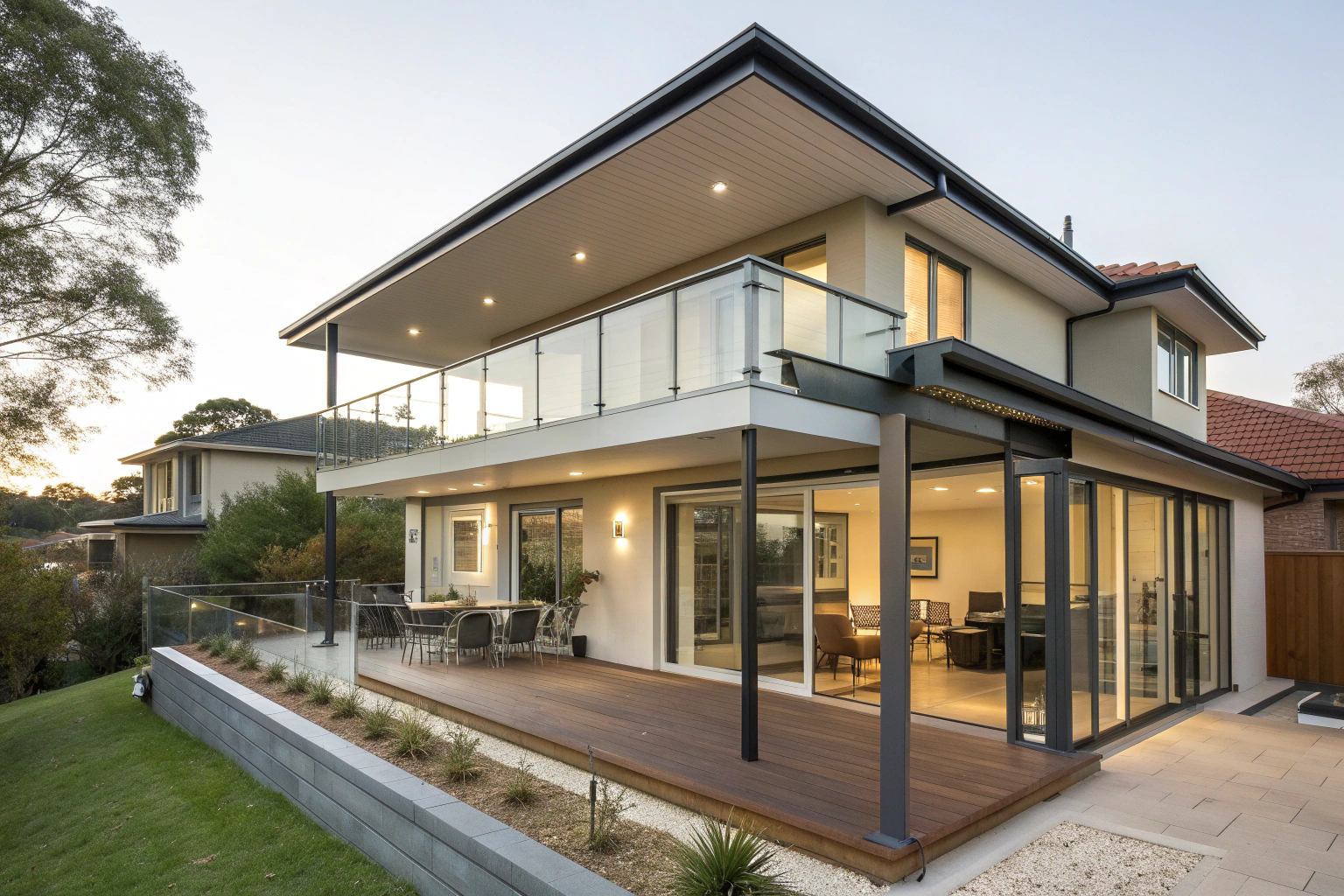
Your balcony should look like it was always part of your home, not an afterthought bolted on later. Design integration considers your existing architecture, rooflines, window placement, and overall aesthetic. Access points need careful planning – French doors, sliding systems, or bifold configurations each offer different benefits affecting internal room layout and external balcony space. Balustrade selection balances safety, aesthetics, and maintenance. Glass systems provide clear views, timber rails complement traditional homes, while powder-coated aluminium offers durability with minimal upkeep.
Built-In Features and Custom Elements
Permanent built-in features save space while adding functionality. We integrate these elements during construction rather than adding furniture later, creating cleaner lines and better space utilisation. Bench seating built along balustrade perimeters provides comfortable areas without consuming floor space. Lift-up seats create storage for cushions, outdoor items, or children’s toys. Built-in planters become part of the structure, holding soil and drainage systems designed specifically for balcony conditions. Custom screening addresses privacy needs while becoming architectural features – slatted timber panels, laser-cut metal screens, or planted vertical gardens create separation from neighbours.

Structural Engineering & Safety Compliance
Building a balcony means creating a suspended structure that needs proper engineering from the ground up. Australian Building Code requirements for elevated balcony construction aren’t suggestions – they’re mandatory standards protecting you, your family, and your investment.
Essential Engineering Requirements:
- Load-bearing calculations – Balcony structure must support live loads of 3.0kPa minimum, accounting for furniture, people, and potential snow loads
- Structural attachment systems – Professional connection to existing home framework using engineer-specified fixing methods
- Wind load assessments – Second-story positions face higher wind pressures in exposed ACT locations
- Safety balustrade specifications – Minimum 1200mm height with balusters spaced no more than 125mm apart
Maintaining Your Balcony Investment
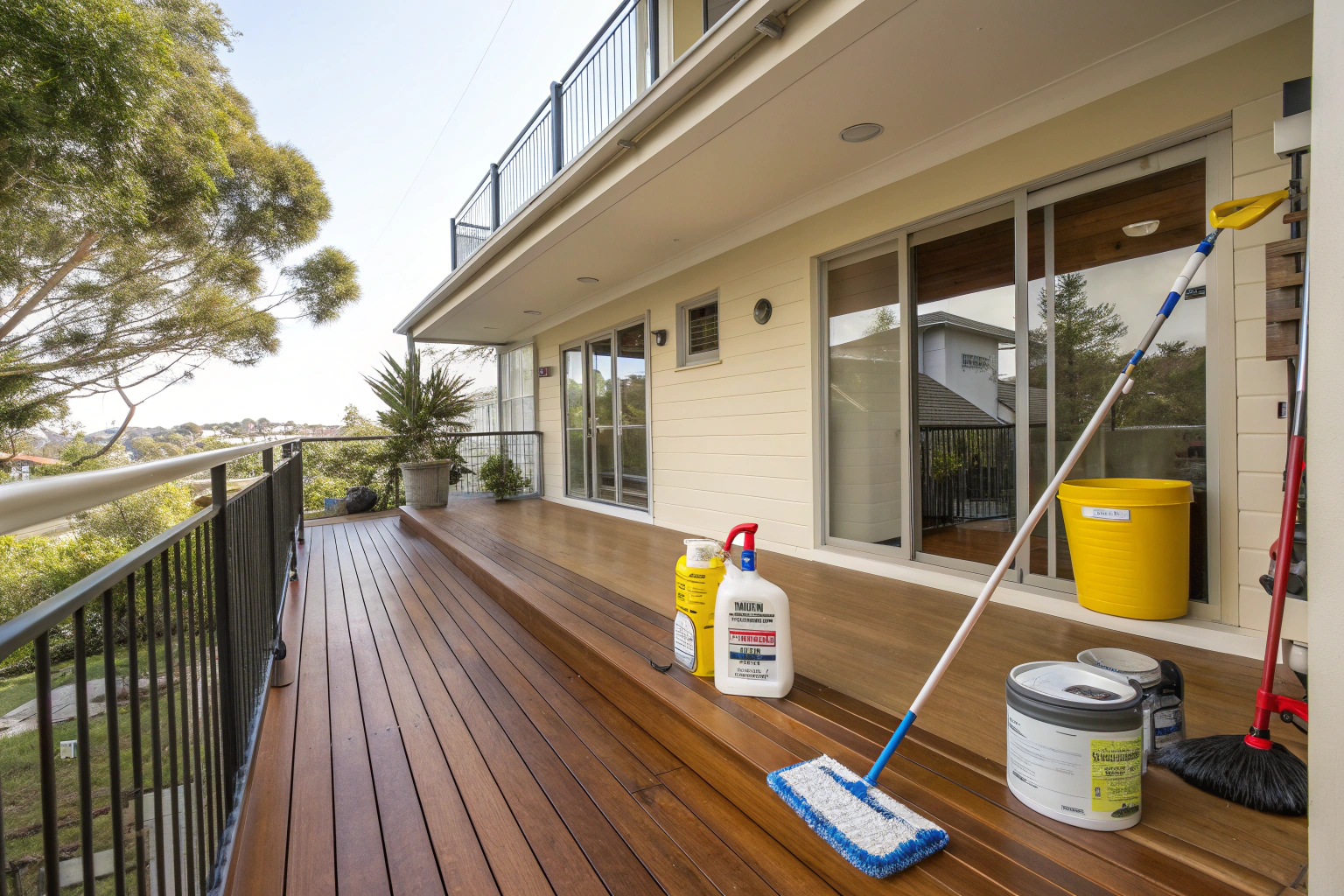
Regular maintenance extends balcony life and prevents small issues from becoming expensive problems. Maintenance requirements vary by materials, but all balconies need periodic attention to perform well over the decades.
Annual Maintenance Tasks:
- Cleaning – Remove debris, dirt, and organic matter from surfaces
- Inspection – Check fixings, joints, and waterproofing for wear
- Timber treatment – Oil or stain hardwood decking as recommended
- Drainage check – Confirm outlets remain clear and water flows properly
- Sealant review – Inspect and replace deteriorated sealants
Frequently Asked Questions
Balconies are elevated structures attached to upper levels of buildings, typically accessed from bedrooms or living areas. Decks sit at ground level or slightly elevated, usually accessed from main living spaces. Balconies require more complex structural engineering, stricter safety standards for balustrades, and advanced waterproofing to protect interior spaces below.
It depends on priorities. Timber looks classic but needs maintenance. Aluminium and steel handles temperature swings without warping, require less upkeep. Hardwood lasts longer than treated pine but costs more. Consider your maintenance tolerance and budget alongside aesthetics.
Absolutely. Waterproofing prevents water ingress that causes structural damage, timber rot, and interior leaks. We install commercial-grade membranes beneath all flooring, extending up walls and around penetrations. Integrated drainage with minimum 1:100 fall directs water away from your home. Flashing systems seal where balcony meets existing walls. Flood testing confirms waterproofing integrity before installing finishes.
Yes, though older homes may need structural reinforcement before balcony installation. We assess your home’s existing framework, identify load-bearing walls, and design attachment systems that distribute weight properly. Engineering reports confirm structural adequacy and specify any required reinforcement. Many heritage-style homes in established suburbs successfully accommodate balconies with appropriate design consideration.
ACT planning rules include overlooking provisions protecting neighbor privacy. Balconies above certain heights within specified distances of neighboring windows or outdoor spaces may require screening. We assess sightlines during design, prepare required documentation, and incorporate privacy screens where needed – using slatted panels, laser-cut screens, or vertical gardens that maintain views while addressing privacy requirements.
Ready to Build Your Dream Balcony?
Contact our Canberra balcony construction team for a detailed consultation. We’ll assess your property, discuss design options, provide engineering assessments, and deliver comprehensive quotes covering all construction aspects. Call us today or request your free on-site consultation to start planning your custom balcony project.