

Canberra Shade Structure Expertise You Can Trust
Specialised experience installing shade structures across Canberra’s unique climate conditions sets our work apart. We’ve completed projects throughout Forrest, Red Hill, O’Malley, and surrounding suburbs, understanding exactly how local weather patterns, soil conditions, and council requirements affect shade structure performance. Canberra’s temperature extremes from 5°C to 40°C demand specific material selections and engineering approaches that differ from other regions, ensuring installations that withstand intense UV exposure and wind patterns specific to the capital’s geography while meeting local compliance standards.

Shade Structure Types & Options
Sail Shade Installations
Tensioned fabric systems offer the most versatile shade coverage for irregular spaces and modern aesthetic preferences. Multiple sails create overlapping protection zones while maintaining airflow and visual interest. Quality marine-grade fabrics handle Canberra’s wind loads and UV intensity when properly engineered and installed with correct tension specifications.
Cantilever Umbrellas
Large cantilever designs provide flexible shade positioning without central support posts interrupting furniture arrangements. Commercial-grade mechanisms withstand regular adjustment and repositioning throughout the day. Heavy-duty bases and wind-resistant frames handle Canberra’s gusty conditions that destroy standard residential umbrellas within months.
Pergolas with Retractable Systems
Fixed pergola structures combined with retractable shade roofs deliver maximum flexibility. Open the canopy during cooler months for sun exposure, close it during peak summer for protection. Automated systems integrate with smart home controls and weather sensors for convenience and fabric protection during sudden storms.
Gazebos and Pavilions
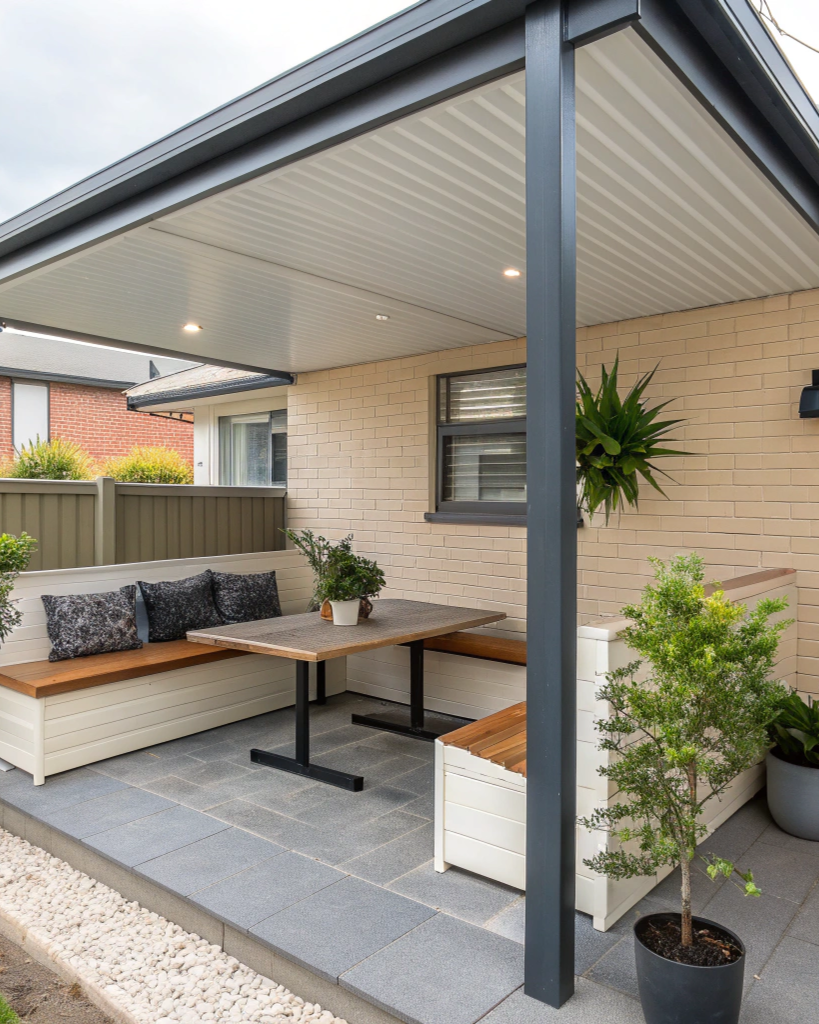
Permanent weather protection suits entertainment areas requiring year-round shelter. Solid roof construction blocks rain and hail while providing complete UV protection. Integrated lighting and electrical outlets create functional outdoor rooms rather than just covered spaces. Custom designs match existing architecture and landscape planning.
Design & Integration Solutions
Colour coordination with existing home and landscape design creates cohesive outdoor spaces rather than disconnected additions. Fabric colours, frame finishes, and structural styles complement architecture and enhance property aesthetics instead of detracting from overall appeal.
Multiple shade zones cover large outdoor areas strategically, protecting high-use spaces without over-building. Integration with existing structures like decks and pools requires proper attachment points and clearance planning. Seasonal adjustment options provide winter sun exposure and summer protection through removable or retractable systems. Lighting and electrical integration extends functionality into evening hours with weatherproof LED systems and power outlets for entertainment equipment.
Shade Structures Built for Canberra’s Extreme Climate
Properly engineered structures handle Canberra’s weather conditions, including strong winds and temperature extremes from -5°C to 40°C. Wind load calculations and correct tensioning ensure stability during severe storms and gusty conditions. Marine-grade components resist corrosion from moisture exposure and constant temperature cycling. Professional installation accounts for local climate factors that destroy inadequately designed systems, ensuring long-term performance and safety.
Maximising Your Outdoor Living Investment
Shade structures transform underutilised outdoor spaces into functional living areas that increase property value. Protected decks, pools, and entertainment zones become year-round assets rather than seasonal features. Strategic placement creates defined outdoor rooms while energy efficiency benefits reduce indoor heat gain, lowering cooling costs and enhancing comfort throughout your property.

Professional Installation & Engineering
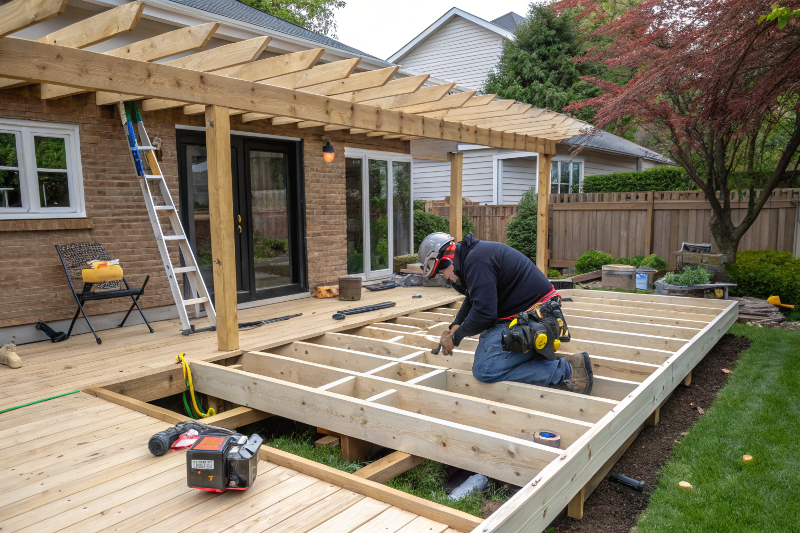
Structural engineering separates professional installations from failed DIY attempts. Wind load calculations determine anchor point requirements, post specifications, and fabric tensioning for structures that stay secure during Canberra’s severe weather events without becoming dangerous projectiles or collapsing under stress.
- Foundation and anchor point installation requires soil assessment and engineered footings meeting Australian standards for specific load requirements.
- Fabric selection balances UV rating, weather resistance, and wind performance beyond simple colour choice
- Marine-grade stainless steel hardware prevents rust and corrosion while handling constant stress and temperature cycles.ing
- Compliance documentation proves structural adequacy for insurance coverage and liability protection
Common Shade Structure Mistakes to Avoid
Undersized foundations cause movement and structural stress that degrades installations quickly. Anchor points must handle not just static loads but dynamic forces from wind gusts and fabric tension. Cutting corners on foundation work guarantees premature failure.
Incorrect fabric tension creates sagging that collects water, reduces UV protection, and looks unprofessional. Over-tensioning damages fabric and hardware, while under-tensioning allows excessive movement and flapping that tears materials. Proper tensioning requires experience and understanding of how fabrics behave.
Ignoring drainage around shade structures leads to water pooling and erosion problems. Skipping permits for permanent structures creates legal issues and resale complications. Using residential-grade hardware in applications requiring commercial specifications results in rapid deterioration and safety hazards.


Frequently Asked Questions
Functional outdoor living spaces add measurable value to Canberra properties where outdoor entertaining is highly valued. Quality shade structures demonstrate property investment and create usable space that appeals to buyers. Protected decks and entertainment areas typically return 60-80% of installation costs in increased property value.
Quality shade structures with proper maintenance last 15 to 25 years, depending on materials and exposure. Marine-grade hardware and UV-resistant fabrics outlast standard residential components significantly. Fabric replacement becomes necessary every 10 to 15 years, while structural frameworks remain sound for decades when correctly engineered and installed.
Permanent structures typically require development approval depending on size, location, and proximity to boundaries. Temporary or removable shade sails under certain dimensions may not need permits. Council requirements vary between suburbs and property types. Professional installers navigate approval processes and ensure compliance with local regulations.
Properties with Bushfire Attack Level (BAL) ratings must meet specific construction standards. Requirements include non-combustible materials, ember protection, and vegetation clearances. We assess your property’s rating and ensure compliance.
Properly engineered structures handle Canberra’s weather conditions, including strong winds and temperature extremes. Wind load calculations and correct tensioning ensure stability during storms. Marine-grade components resist corrosion from moisture and temperature cycling. Professional installation accounts for local climate factors that destroy inadequately designed systems.
Getting Started with Your Shade Structure Project
Site assessment identifies optimal shade placement based on sun angles, prevailing winds, and how you actually use outdoor spaces. Professional evaluation considers factors like existing utilities, property boundaries, and council requirements that affect design options.
Design consultation translates your vision into engineered solutions that work in Canberra’s conditions. Material selections, structural specifications, and aesthetic choices come together in detailed plans showing exactly what you’ll get. Clear documentation prevents surprises and ensures project success.
Timeline planning accounts for council approvals, material ordering, and weather-dependent installation work. Budget transparency includes all costs from engineering through final installation without hidden fees. Project management coordinates all aspects so you get a completed, functional shade structure without construction stress.